(1)_1000.png)
In this blog, we summarise the key insights and discussions from the session, AI Without Fear: Building Confidence Through Data Security and Controls.
As AI becomes increasingly embedded in everyday practice, schools and trusts are using it to save time, streamline processes and improve efficiency. However, ensuring that AI is used safely, responsibly and in compliance with data protection requirements is a growing challenge for those responsible for data protection and information governance.
Having an AI policy is an important first step, but it is not a standalone solution. Effective AI governance requires ongoing staff awareness, clear guidance, appropriate safeguards and regular oversight to ensure these tools are used responsibly and that personal data remains protected.
Staff also need clear guidance and training on how to use AI, which means giving them practical examples of how to use AI safely at work and also recognising when to stop and ask for advice.
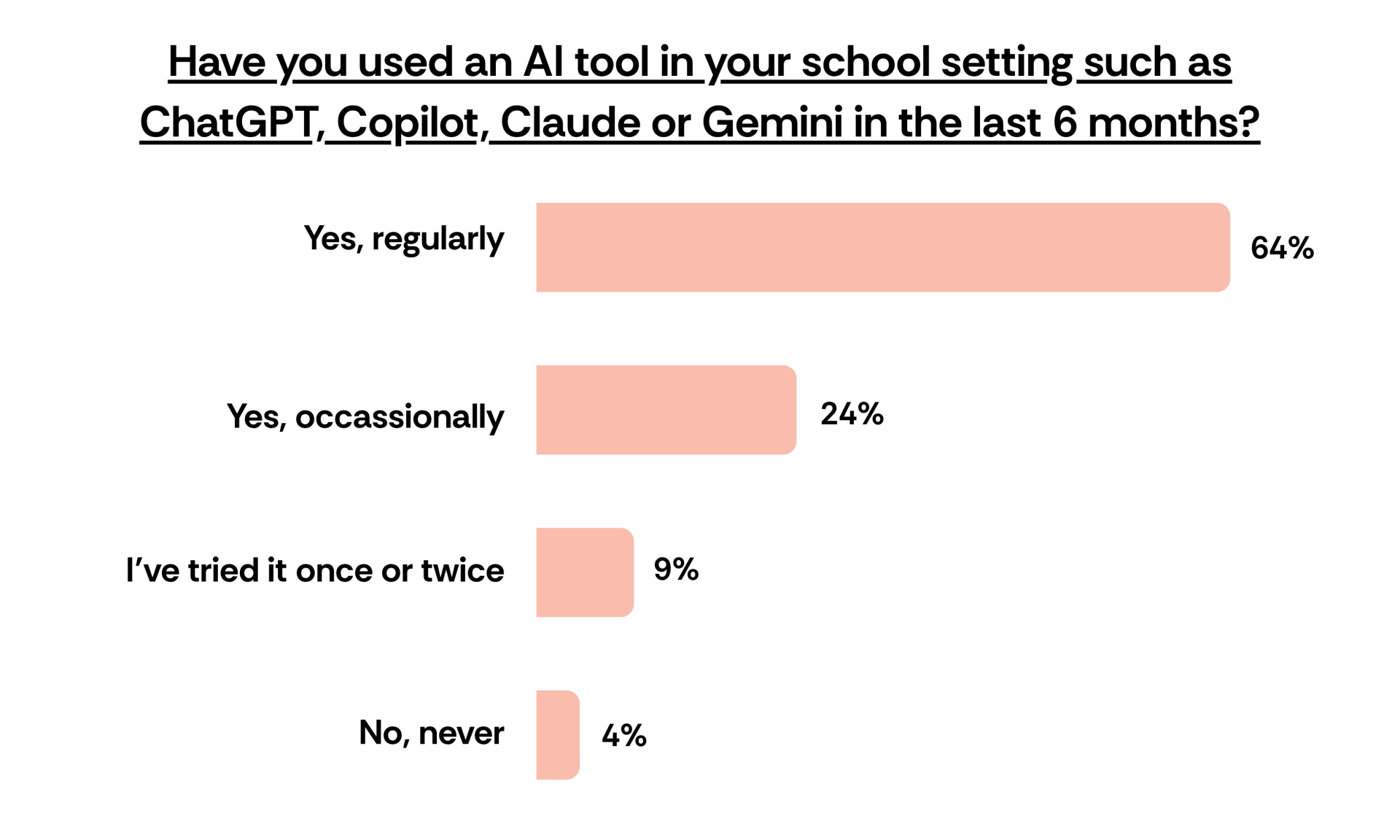
How is AI Currently Being Used in Schools
A Technology in schools survey report, led by the Department for Education, that was published in 2025, found that around half of the teachers who completed the survey were already using generative AI tools. Of those who were not using AI, 64% said they did not know enough about it to use it in their role. A further 35% were concerned about risks such as data privacy, bias and safeguarding. We see this reflected in the advice our DPO consultants provide to schools each day.
Schools often seek our support to assess the use of general AI products such as Microsoft Copilot and Claude, and education-focused products such as TeachMateAI and No More Marking. Staff and pupils are already using AI regularly, inside and outside school, but knowing the full potential of what AI can do is a growing interest.
Staff are still hesitant because:
- What can and can't be used in a workplace might still be unclear
- They lack knowledge of which tools are appropriate and what information they can enter
- AI tools are already being used that they are not aware of
For example, a member of staff may access a free AI service through a personal account or web browser. They may begin using it to help with their work without first checking whether the school has approved it, and the school may only become aware of this much later. Given how widely AI is now being used, it is important for schools to discuss it openly. This could involve establishing an AI working group or clear communication between senior leaders, the IT Lead, the DPO, safeguarding colleagues and curriculum leads.
Schools therefore need appropriate governance because staff and pupils might already be using AI without suitable oversight.
This should explain:
- Which AI tools may be used
- Which accounts staff should use
- What those tools may be used for
- What information may be entered
- When staff need to seek further advice
Benefits of Using AI
It is also important to recognise that there are clear benefits to using AI and there are several ways in which AI may support staff with everyday tasks.
For example:
- A teacher may ask AI to create an initial lesson plan about the water cycle for a Year 5 class
- They may ask it to generate general quiz questions or suggest activities to help engage pupils
- An admin or reception team may use AI to create the structure for a general newsletter or reminder about a school event
- Senior leaders may use AI to help structure a report for a meeting with governors or trustees
The appeal of AI is generally to help staff save time. However, anything produced by AI should be treated as a starting point and not automatically treated as a finished piece of work.
For example, a member of staff may ask an AI tool to draft a reminder about an upcoming school trip, and at first glance it produces something that looks clear and professional. However, it may include the wrong date or other inaccurate details. It may also use a tone that is not appropriate for the intended audience, such as parents and carers.
Staff must check:
- The information is accurate
- The language is appropriate for the age group
- It reflects the intended learning outcome
- It is suitable for the pupils who will use it
Although AI can support professional judgement, it does not replace it.
Data Protection Risks in AI
The most important part when considering data protection risk in AI is the information entered into the AI tool.
For example, a teacher might ask AI:
Create ten general quiz questions about the water cycle for a Year 5 class.
This is unlikely to involve personal information.
Now consider a slightly different prompt:
Create ten questions about the water cycle for a named pupil who has dyslexia and is currently working two years below the expected level.
This prompt contains information about an identifiable child, its educational needs and attainment.
A member of staff could ask:
Give me a general structure for a pupil support plan.
This might provide a simple and basic template.
Now compare this with:
Please write a support plan for [pupil's name]. She has autism, has recently experienced difficulties at home and became distressed during yesterday’s maths lesson.
The second example includes detailed information about a child, including special category data and confidential information about the child’s family circumstances.
Before allowing personal information to be processed in this way, the school needs to understand what will happen to it.
Schools should consider:
- How the provider will use the information
- Where it will be processed
- How long it will be retained
- Who may have access to it
- Whether it could be used to improve the service
- What security measures are in place
However, members of staff cannot reasonably be expected to assess this information when completing an everyday task. The school and trust need to assess the tool and set reasonable boundaries. If the tool and intended use have not been assessed and approved, personal information should not be entered.
Drafting Communication and Routine Documents
The same issue can arise when staff use AI to draft communications.
A member of staff might ask:
Please give me a general structure for acknowledging a concern raised by a parent.
That could provide a reasonable starting point.
However, there would be greater risk if the member of staff entered:
Here is the parent’s full email and our internal notes about the incident. Please draft a response.
The parent’s email could include information about:
- The parent
- Their child
- Other pupils
- Members of staff
- Anyone who witnessed the incident
The school’s internal notes may also contain information that has not been shared with the parent. Some of the details could relate to safeguarding, behaviour, medical needs or confidential discussions. The fact that the member of staff is only asking AI to help draft a response does not mean they have removed any data protection risks altogether. They are still entering personal and potentially sensitive information into the AI tool.
A safer alternative may be to ask AI for a general response structure.
For example:
Provide a general structure for a calm and professional response which acknowledges a parent’s concern, confirms that it will be reviewed and explains when a fuller reply will be provided.
The member of staff can then use that structure to prepare the actual response. This may allow them to benefit from AI without disclosing the underlying correspondence. The same consideration applies to pupil reports and meeting notes. A teacher may only want AI to improve the wording of a pupil report. However, that report could include the pupil’s name, attainment, behaviour, health or additional needs.
The task itself may appear routine, but the information being entered may still be personal and confidential.
Deletion of Confidential Information
Another common question is whether information can be entered into an AI tool once the person’s name has been removed.
Removing the name may reduce the risk. However, it does not necessarily make the information anonymous.
For example:
Please draft a response concerning the Year 6 pupil who was suspended after the incident on the residential trip last week.
The pupil has not been named. However, it may still be obvious to staff, pupils or parents who is being discussed. The same issue can arise with staff information.
Another example is:
Please summarise the concerns about the only teaching assistant currently absent from the Reception team.
Again, there is no name, but the person may still be identifiable. Replacing someone’s name with their initials, job title, or a description does not necessarily anonymise the information.
A useful question for staff to ask is:
Could someone identify the person from the information that remains? If the answer is yes, the information is still personal data. Schools should also remember that not every risk is limited to personal information. They also hold confidential information.
For example, a senior leader might ask AI to review the school’s proposed security arrangements and identify weaknesses.
The document may not contain names; however, uploading detailed security information into an unapproved AI tool could still create a serious risk.
Other confidential information might include:
- Draft investigation findings
- Confidential supplier negotiations
- Passwords or access information
- Details about the school’s IT systems
- Legally privileged information
- Decisions that have not yet been communicated
Staff should therefore consider more than whether the information identifies someone. They should also consider whether it is confidential or otherwise unsuitable to share with the tool.
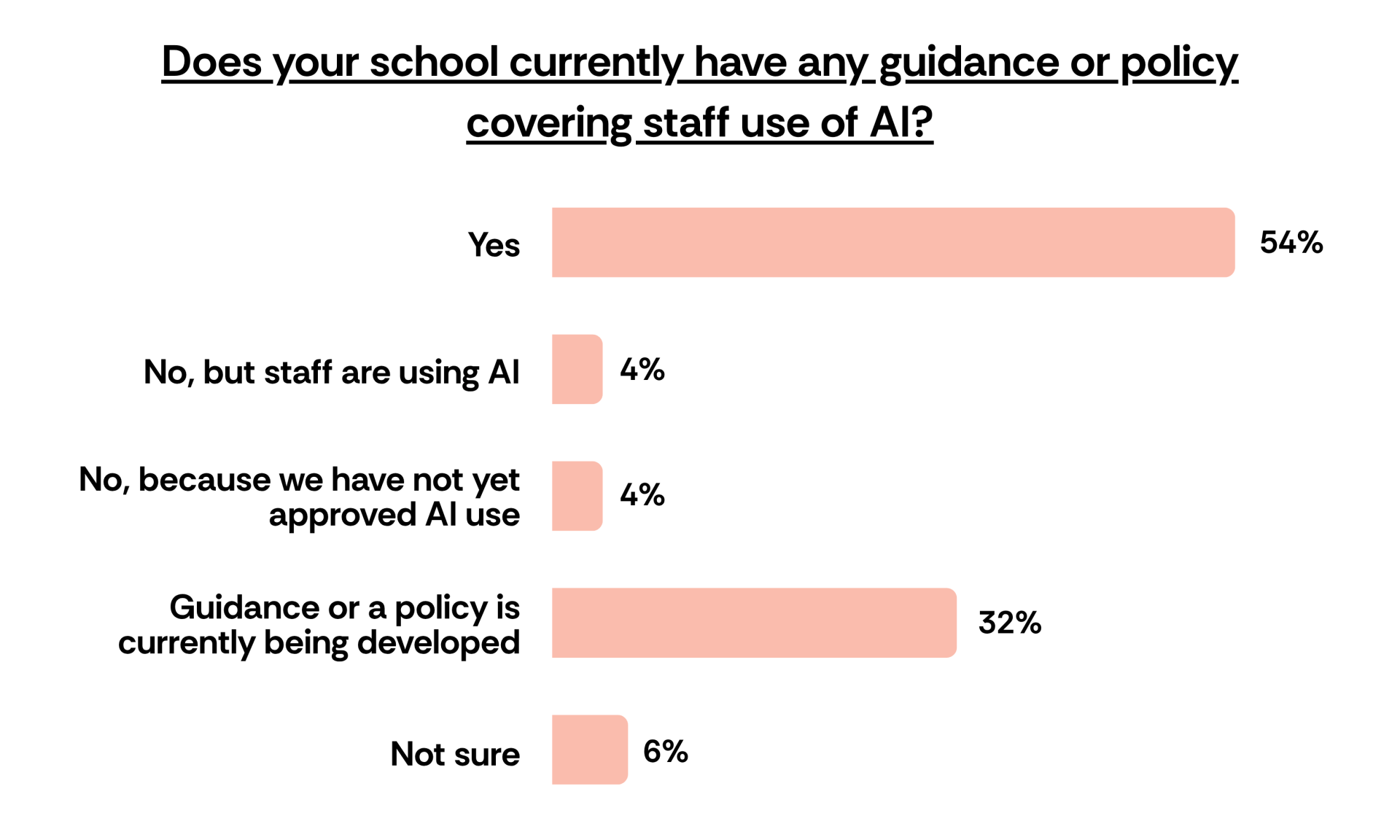
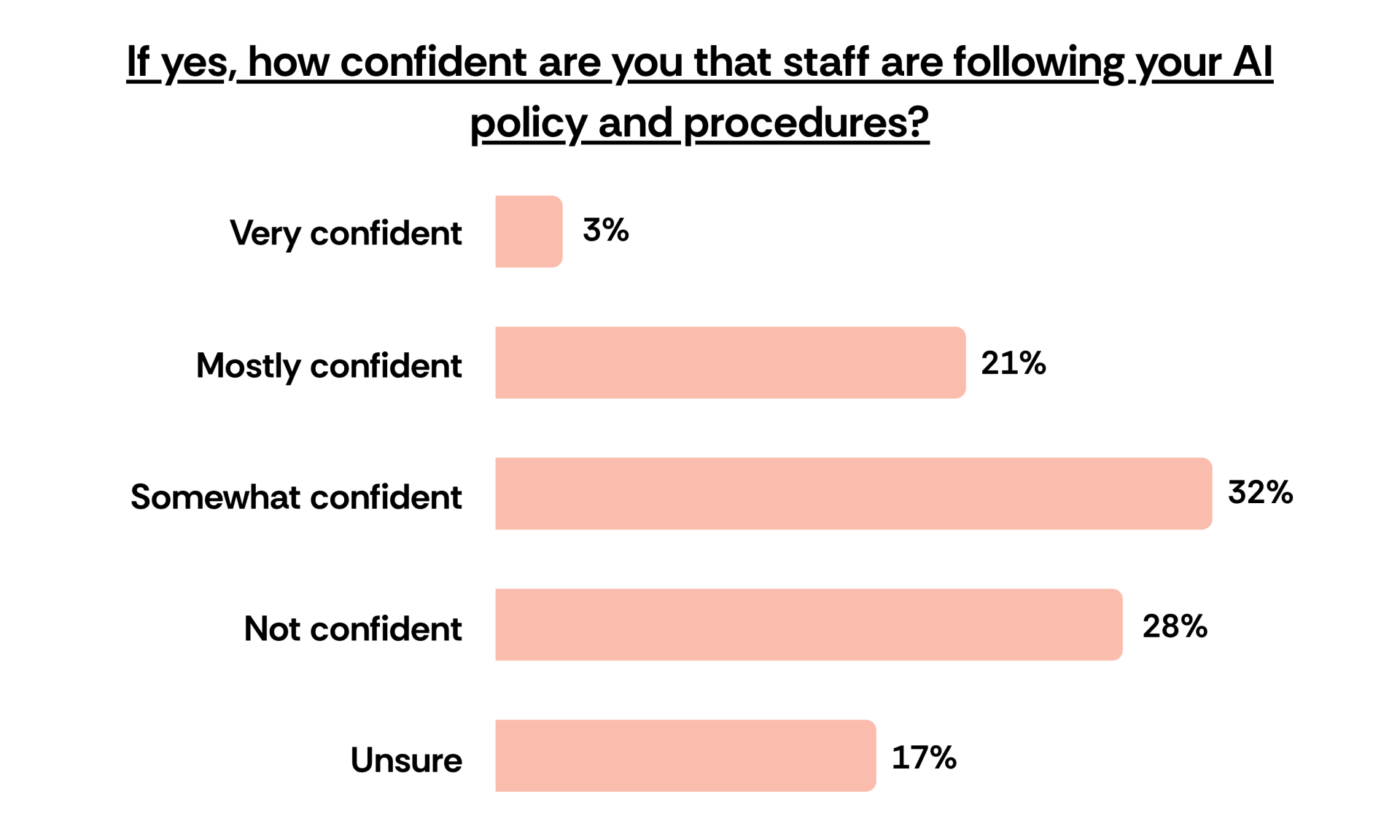
Approved Tools and Accounts
Which AI Tools
One of the clearest safeguards is to tell staff which AI tools they are permitted to use.
Staff should not be expected to assess the privacy and security arrangements of every AI service they find online, and schools should provide that direction. This could include a list of approved tools and explain the purposes for which each tool has been approved.
Account Use
The account being used is also important. For example, the school may provide staff with access to an approved AI service through their work account. That does not necessarily mean they should use the same service through a free personal account. A staff member may think that it is the same AI tool and should therefore make no difference. However, the organisational version may have different privacy and security settings. The school may also have greater control over how information is processed, retained or used.
Purpose
Approval should also relate to the particular purpose. As part of this process, schools should consider whether a Data Protection Impact Assessment, or DPIA for short, is needed. A DPIA is not automatically required every time a member of staff uses AI. However, it is required where the proposed processing is likely to result in a high risk to people’s rights and freedoms. It will be particularly relevant where an AI tool may process children’s personal data, special category data or large amounts of personal information.
Data Protection Impact Assessment (DPIA)
A DPIA should also be considered where AI may be used to profile individuals or help make decisions that could significantly affect a pupil, member of staff or job applicant. For example, a school may be considering an AI tool that analyses pupil attendance, behaviour and attainment data to identify pupils who may need additional support.
This is very different from using AI to create general lesson resources. It involves combining personal information about children and using the output to influence decisions about them. In such cases, the school would need to assess whether this is necessary and proportionate. It would also need to consider the risks to pupils and the level of human oversight required. This type of use is more likely to require a DPIA.
Where a DPIA is required, it should ideally be completed before the proposed use begins, but it can also be done retrospectively. This allows the school to document the proposed use, identify the risks and decide what safeguards are needed. Schools should involve their DPO at an early stage, preferably as part of the approval process, where they are unsure whether a DPIA is required.
Teaching Resources
A school may approve a tool to help staff create general teaching resources.
That does not automatically mean the tool has been approved to:
- Analyse individual pupil attainment
- Summarise safeguarding records
- Draft completed pupil reports
- Compare job applicants
- Recommend disciplinary outcomes
Approval should not be treated as permission to use the tool for every possible task.
The school should be clear about:
- Which tool has been approved
- Which account staff should use
- What the tool may be used for
- What information staff may enter
Checking AI Generated Content
Another important safeguard is checking the content produced by AI. AI can produce something that looks clear and professional, however, that does not mean the content is correct.
An inaccurate answer may be presented with the same confidence as an accurate one.
Similar problems could arise where AI:
-
Leaves a parent’s main concern out of a summary
-
Confuses who said what during a meeting
-
Presents an unconfirmed allegation as a fact
-
Includes an inaccurate legal reference
-
Uses a tone that is cold, defensive or dismissive
If this content is copied directly into the school’s systems, it could create an inaccurate or misleading record.
Before using AI-generated content, staff should ask:
-
Is it factually correct?
-
Does it reflect the school’s actual position?
-
Is anything important missing?
-
Has the tool added anything?
-
Is the tone appropriate?
-
Would I be comfortable sending or recording this under my own name?
The person using the output remains responsible for the final content.
AI producing the first draft does not change that.
When to be Cautious With Types of Uses
Some uses require greater caution because AI may influence a decision about an individual.
For example, compare these two prompts:
Suggest a general structure for interview questions.
And:
Review these applications and tell me which candidates we should interview.
The first prompt asks AI to support a general task. The second asks AI to influence a decision about real people.
Another example would be:
Create a general template for recording behaviour incidents.
Compared with:
Review this pupil’s behaviour record and recommend the appropriate sanction.
Again, the second use is more likely to affect an individual. These uses may carry additional risks involving accuracy, fairness and bias. They should be assessed before they are introduced. This may include completing a DPIA where the proposed use is likely to result in a high risk to the individuals affected.
The school should consider whether the use is necessary and appropriate. It should also ensure that there is meaningful human oversight.
The school should not introduce a higher-risk use simply because the AI tool may make the task faster or save staff time.
A Practical Check for Staff
It can be helpful to give staff a small number of questions to consider before using AI. Five recommended questions would be:
1.Is the tool approved?
Am I using the correct service and the account authorised by the school?
2. What information am I entering?
Does it relate to a pupil, parent, member of staff or another person?
Is it sensitive or confidential?
3. Is this an appropriate task for AI?
Am I asking AI to help with a general task?
Or am I asking it to assess someone or influence a decision about them?
4. Have I checked the result?
Is it accurate?
Is it complete?
Is the tone appropriate?
Would I be prepared to take responsibility for it?
5. Can I achieve the same result without entering personal or confidential information?
For example, could I use:
-
A general template rather than uploading a completed document?
-
A suggested structure rather than copying an email chain?
-
A fictional example rather than describing a real pupil?
-
General accessibility needs rather than entering a pupil’s diagnosis and full personal history?
A teacher who wants to adapt a worksheet could ask:
Adapt this worksheet for a learner who benefits from short instructions and visual prompts.
They may not need to include the pupil’s name or diagnosis. The answer does not always need to be that AI cannot be used. Sometimes changing the prompt or removing unnecessary information can reduce the risk.
Policy, Training and Incident Reporting
Some schools may introduce a separate AI policy. Others may include AI within existing policies covering data protection, acceptable use, safeguarding, staff conduct or teaching and learning. Either approach can work. The important question is whether staff understand what the school expects from them.
For example, a policy might say:
Staff must not enter personal data into an unauthorised AI system.
That is an important rule.
However, staff still need to recognise when personal data is involved. Would every member of staff recognise that copying a parent’s email into AI involves personal information? Would they recognise that pupil work could identify the child? Would they know whether an AI feature built into an existing school system has been assessed?
This is why practical training is important. Staff training should use practical examples and scenarios. These should reflect the tasks staff carry out in their day-to-day work, rather than relying only on general instructions. Staff also need to know who to contact if they are unsure. This might include the IT Lead, Data Protection Lead, Designated Safeguarding Lead or DPO.
Mistakes may still happen. For example, a member of staff may copy a parent’s email into a free AI tool and later realise that it contains information about two pupils. The incident should be reported promptly through the school’s normal data incident process. The member of staff should not simply delete the conversation and assume the issue has been resolved. Prompt reporting allows the school to establish what information was entered, what may have happened to it and whether any further action is needed. An open reporting culture is therefore essential.
Staff should understand that early reporting is important, even where the incident arose from a genuine mistake.
Key Takeaways
To summarise, appropriate AI use will depend on:
-
The tool being used
-
The information being entered
-
The purpose for which the tool is being used
Using AI to suggest general quiz questions is different from asking it to assess a pupil’s performance. Requesting a general letter structure is different from uploading a parent’s full email. Creating a blank support-plan template is different from entering a child’s medical, behavioural and family information.
The school’s policy and guidance should help staff recognise these differences.
- AI can provide useful support
- It can save time
- It can also help staff begin routine tasks and improve the structure of general content
However, staff need clear boundaries in knowing which tools and accounts are approved. They need practical examples of what information they may and may not enter. They also need to know when a proposed use requires further assessment or advice. The aim is not to prevent schools from benefiting from AI. It is to support staff to use AI in a way that protects pupils, families, colleagues and the school.
A useful question for schools to consider is:
Do our staff understand what safe and appropriate AI use looks like in practice?
If the answer is unclear, that is a sensible place to start.
If you found this summary insightful, don't miss our DPO digest training on a Practical guide to embedding AI tools in your classroom. Tuesday 1st of December - Register here.
You can find information regarding our Data Protection services here.
If you would like to talk to someone about some support for your school or trust, do not hesitate to call us on 0345 548 7000 or email enquiries@judicium.com
You can follow us on X: @JudiciumEDU
© This content is the exclusive property of Judicium Education. The works are intended to provide an overview of the sofa session you attend and/or to be a learning aid to assist you and your school. However, any redistribution or reproduction of part or all of the contents in any form is prohibited. You may not, except with our express written permission, distribute or exploit the content. Failure to follow this guidance may result in Judicium either preventing you from accessing our sessions and/or follow-up content.

_1000.png)